
Sharing vs Sparing: The Resolution (1)

I’ve been setting the table for this article for the last 6 months, laying out the context and challenges around the fundamental question: “How do we feed the world without destroying the planet? ”
To sum up:
My articles on the miracle and terror of modern ag established both the wonders of the green revolution and what modern agtech has done in enabling a massive growth in human population, and a real chance at ending human hunger forever, and that this miracle comes with an ecological debt and deep unsustainability, in which in aggregate, we are degrading soil, consuming aquifers, and eliminating biodiversity at an unprecedented rate.
In short:
1. Ag requires soil and water
2. Soil and water cycles are maintained by ecosystems, which in turn are maintained by biodiversity.
3. Ag (both ancient and contemporary) destroys soil, water, and biodiversity, in multiple ways, resulting in the cycle below. However, there are key exceptions in the cycle below, in that sometimes landscapes do not recover. There are examples in our history where we have broken the water and mineral cycles so badly that recovery does not happen, and land ends up in a permanent state of degradation and lower capacity (Rome and N. Africa, for one instance). In other instances, we have never stopped the degradation, so there is no chance for recovery (dead zones in deltas will never recover as long as riparian zones are overloaded with fertilizer and biocide residues). Those key exceptions and their various manifestations notwithstanding, the cycle below is otherwise universal, as far as I can tell.

The third of those foundational articles was about the efficiency trap, also known as the Jevons Paradox, which is at the crux of the sharing vs sparing argument. I delved into why the gains in efficiency of the last century (in terms of production/acre) are more destructive in aggregate even when they are less destructive per unit, going into negative externalities, how efficiency enables population growth (and huge increases in aggregate demand) and how greater efficiency in terms of calories per acre paradoxically leads to more demand for land in ag and not less.
I also wrote about what is happening with population growth, and rates of population growth, which indicates that population growth is not merely a factor of resource availability. Resource availability definitely puts a ceiling on our growth, and gains in efficiency raise the ceiling of population, but recent history proves that while this may be a limiting factor, it is not the determining factor. If population does indeed stabilize at 8-11 billion people due to falling birth rates across most of the world, then that means there is also a limit to The Jevon’s Paradox and how much gains in efficiency can increase total demand. Amazingly, it seems that our capacity and desire for consumption, at least at the aggregate, may have limits that are not externally imposed.
I wrote about the indigenous roots of landsharing systems, which historically come with much lower production per acre, but few to none of the negative externalities of modern or monocrop agriculture. This is a huge category of varying systems, from the relative simplicity of rotational slash & burn & hunter/gatherer systems all the way to highly complex and sophisticated systems like the Hima of the Arabian Peninsula, the Dehesa of Iberia, or the Ahupua’a of the Pacific Islands. These are systems that maintained the foundational resources of human civilizations (soil, water, and biodiversity) and that didn’t require the advances of agricultural technology of the last 80 years. Importantly, some of these are systems that can persist functionally forever, as they do not have the suicidal dynamic of agricultures that degrade their foundational resources.
After going through these foundational issues of the sharing vs sparing argument, the question, “What are we to do” becomes easy to answer. The answer is this: Maximize the long-run carrying capacity of earth, recognizing that all human systems lay on a foundation of nature, and also recognizing the human capacity for creativity and innovation.
How do we maximize the carrying capacity of earth? This is almost a simple rephrasing of “sharing or sparing?" A circular line of questioning, but only almost.
On the sharing side of the argument, we have systems that maintain water cycles, maintain soils, and maintain biodiversity (with the exception of apex predators — as a species it’s only very recently we’ve tolerated them in shared spaces with us), but less efficiency and the need to use more land in the production of food.
On the sparing side, we have very high short-term productivity enabled by fossil fuel inputs, genetic modification technologies, fertilizers derived from the Haber-Bosch process, monocrop systems and mechanization. The only problem is these systems are suicidal in the long run because they destroy mineral and water cycles.
What if we could take the best of both? What if there were food systems that kept the efficiency of land-sparing systems without the suicidal destruction of nature? What if there were food systems that kept the sustainability of sharing systems but adopted appropriate technology and systems that kept up or even outperformed the efficiency of agrotech monocrop systems?
As it turns out, there are such food systems, and they go by the name Regenerative. Regenerative food systems synthesize the sharing vs sparing argument by achieving the best of both—enabling greater amounts of land to conservation while eliminating the negative externalities of monocrop systems. There’s a lot of hodge-podge greenwashing, wishy-washy stuff, and corporate co-opting of what “regenerative” means, as well as a lot of woo and hocus-pocus out there masquerading as real solutions. But what most people haven’t grokked yet is that the regenerative food movement is a direct response to the weaknesses and foibles of the green revolution, and essentially the next evolution of food systems, combining the best of modern science with the best of indigenous systems, while directing our species’ creativity and problem solving to long-term and permanent solutions. Fundamentally, regenerative systems are how we feed the world without destroying the planet.
This is a major turning point in the series, because from here on out i’m not laying out the extent of the problems and the general arguments, but will be showing how regenerative systems synthesize the sharing vs sparing argument and maximize the long-term carrying capacity of landscapes on the micro scale, and earth as a whole. We’re going to go back to the fundamentals of water & water cycles, soil & mineral cycles, and biodiversity, but also productivity over various time horizons, sociocultural and socioeconomic aspects, and tie those into the major themes of the day as they relate to food, nature, development, conservation, and restoration.
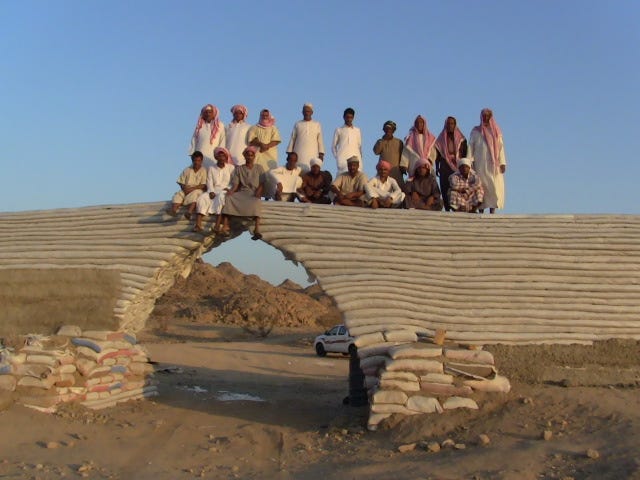
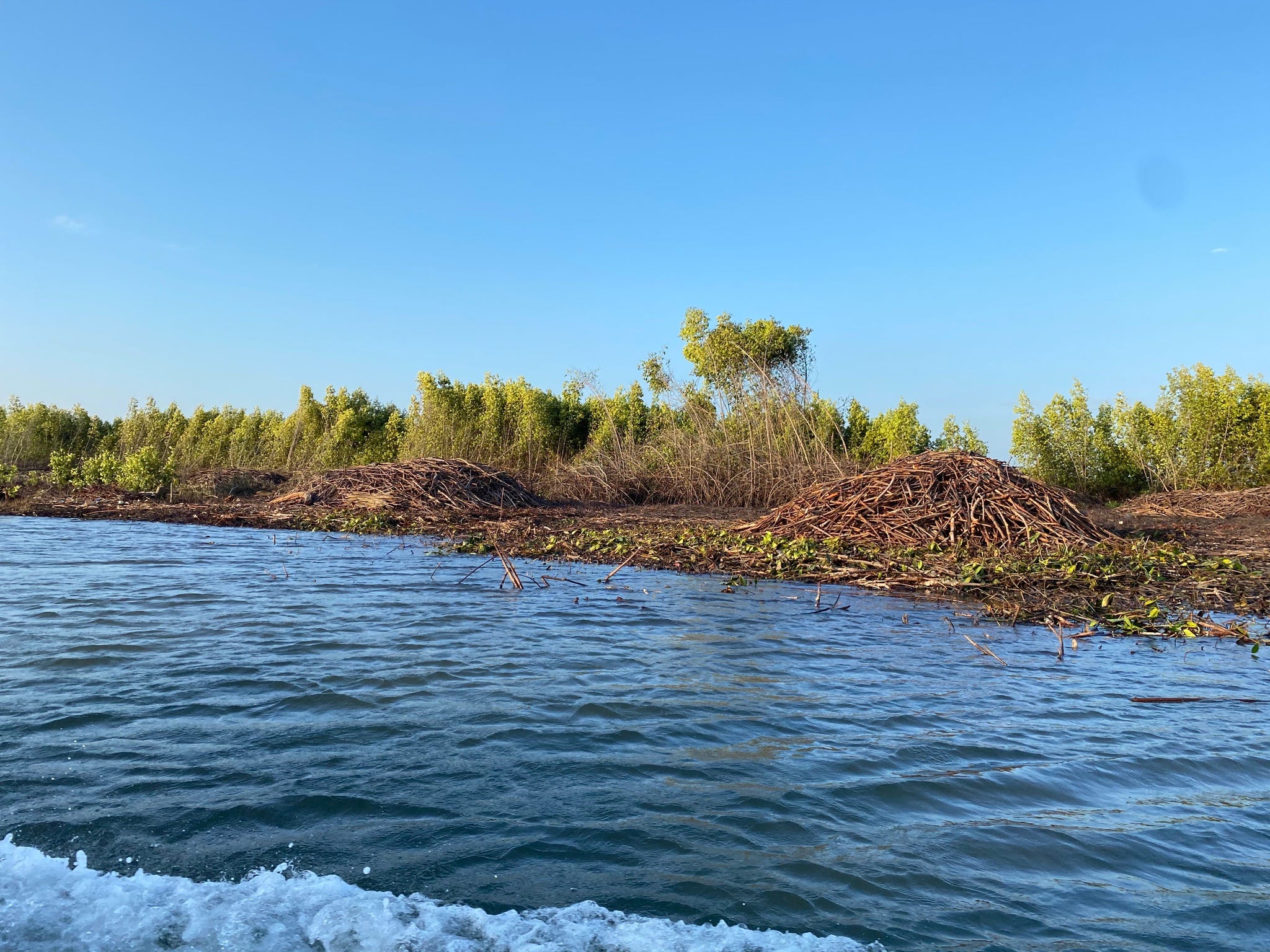
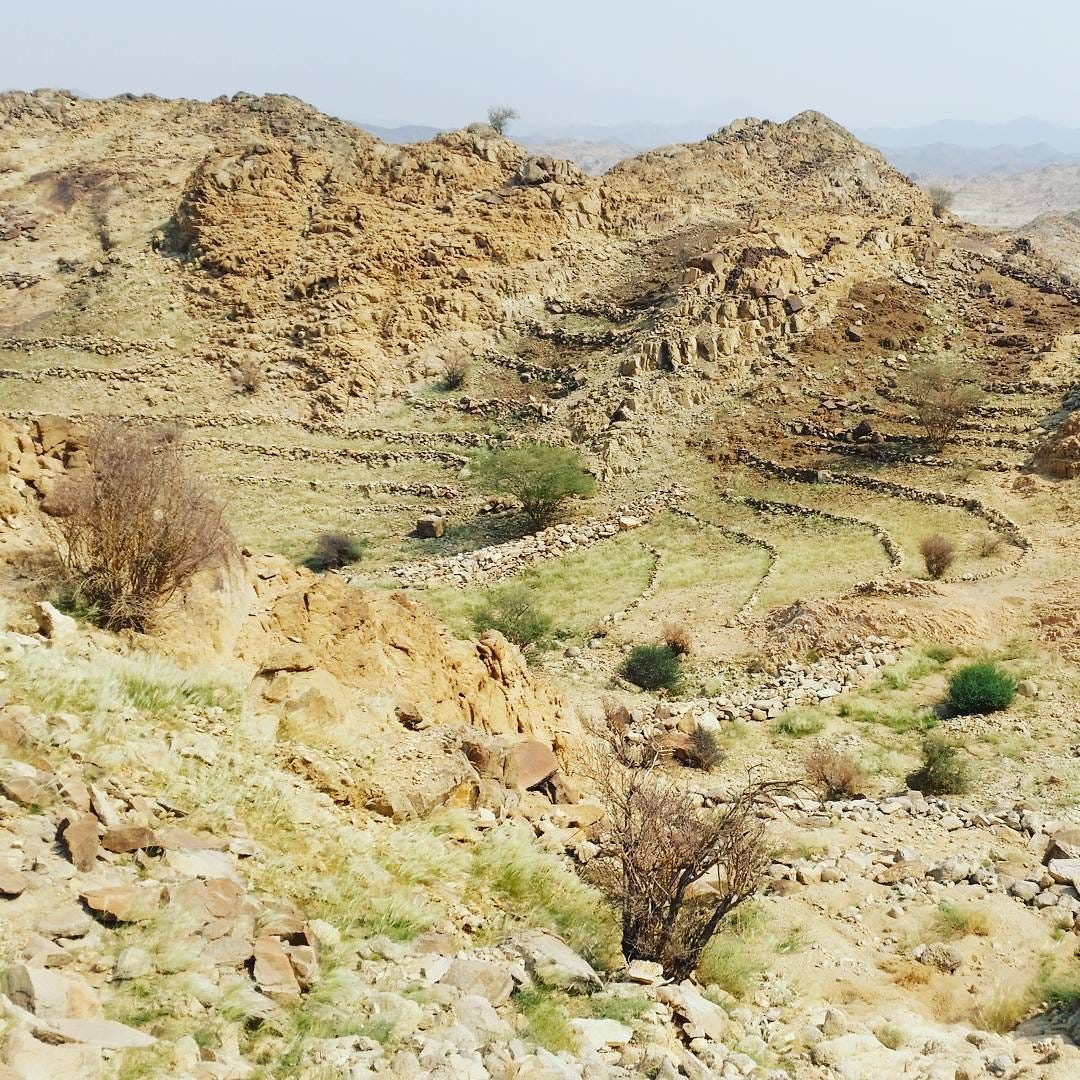
I’ll also be bringing in examples from my own work and introducing the companies that i am building and projects i am helping to demonstrate solutions in a variety of fields. I’ve been living this stuff for 15 years, from reversing desertification across whole watersheds in Saudi Arabia with tribes of bedou, to spearheading mangrove restoration in Gambia and Mexico, to developing new seagrass agroecologies in the Mediterranean, to consulting on large-scale steppe and grassland work in Texas and Kazakhstan.
Great work, Neal. Thanks for breaking this all down for us.